


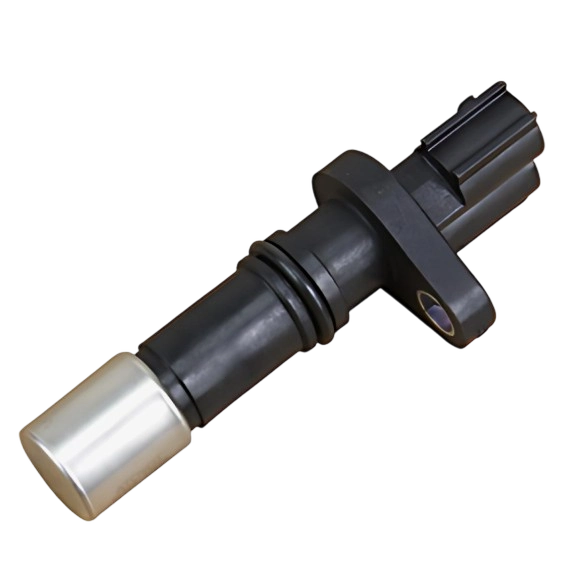
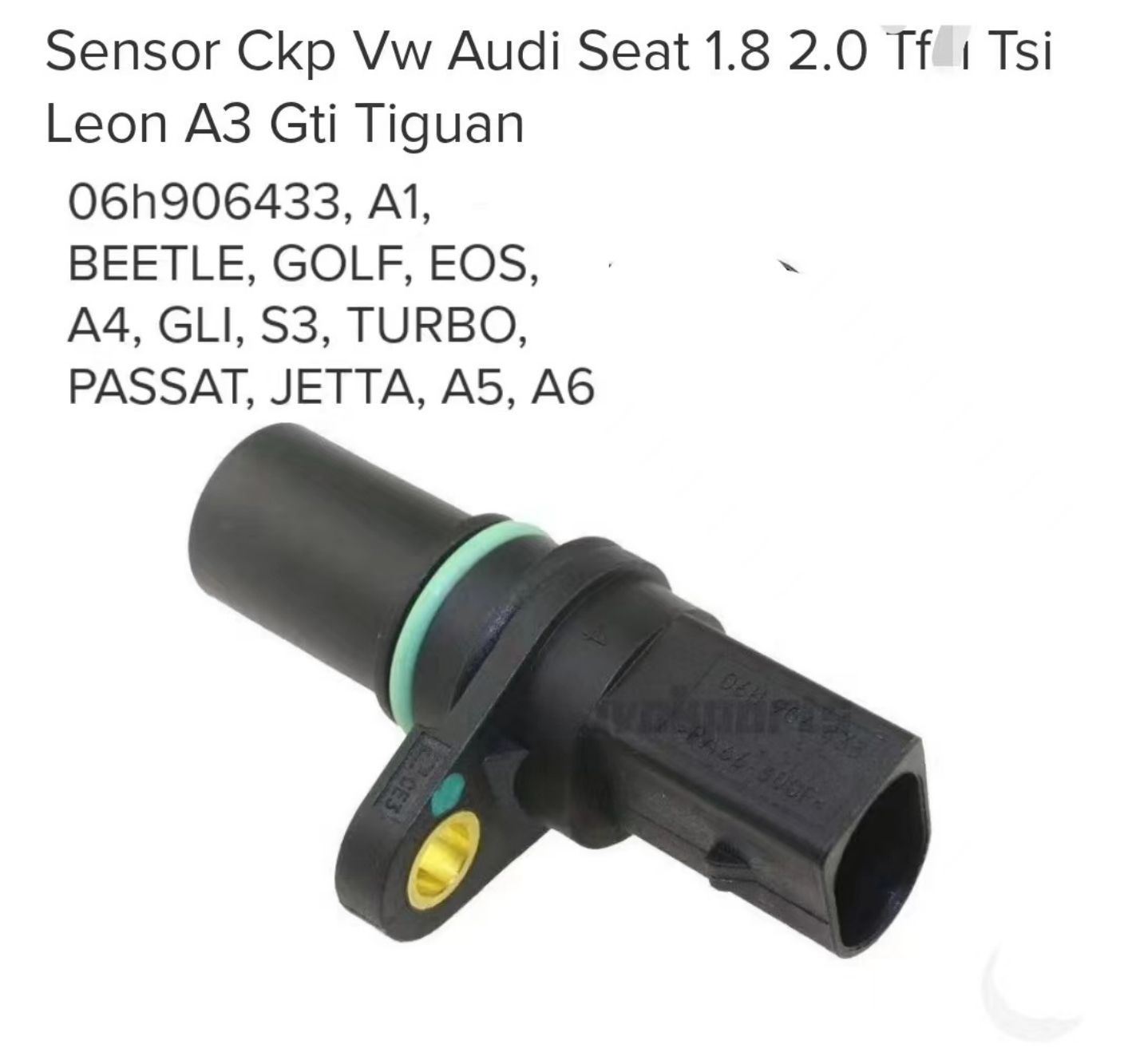
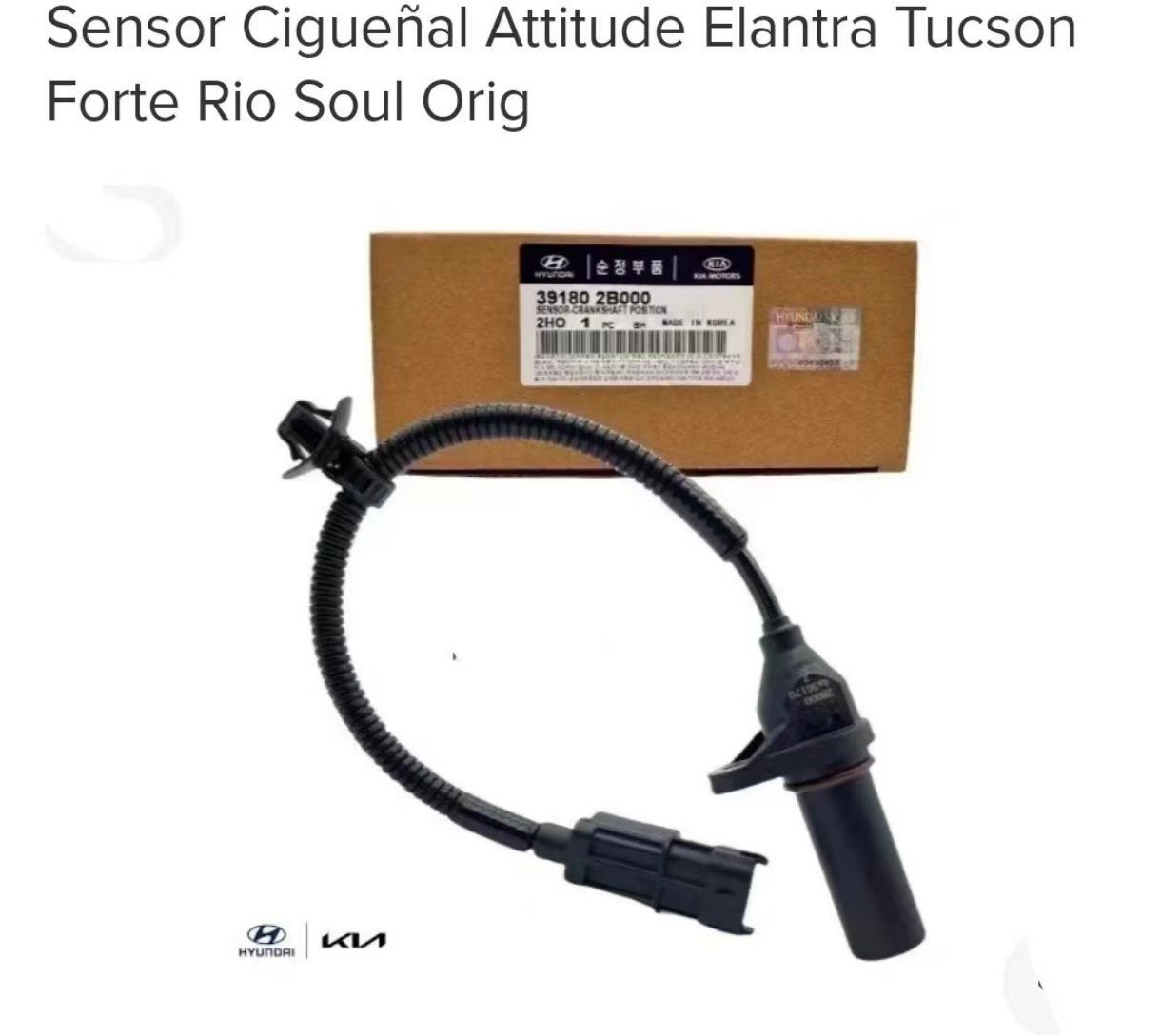
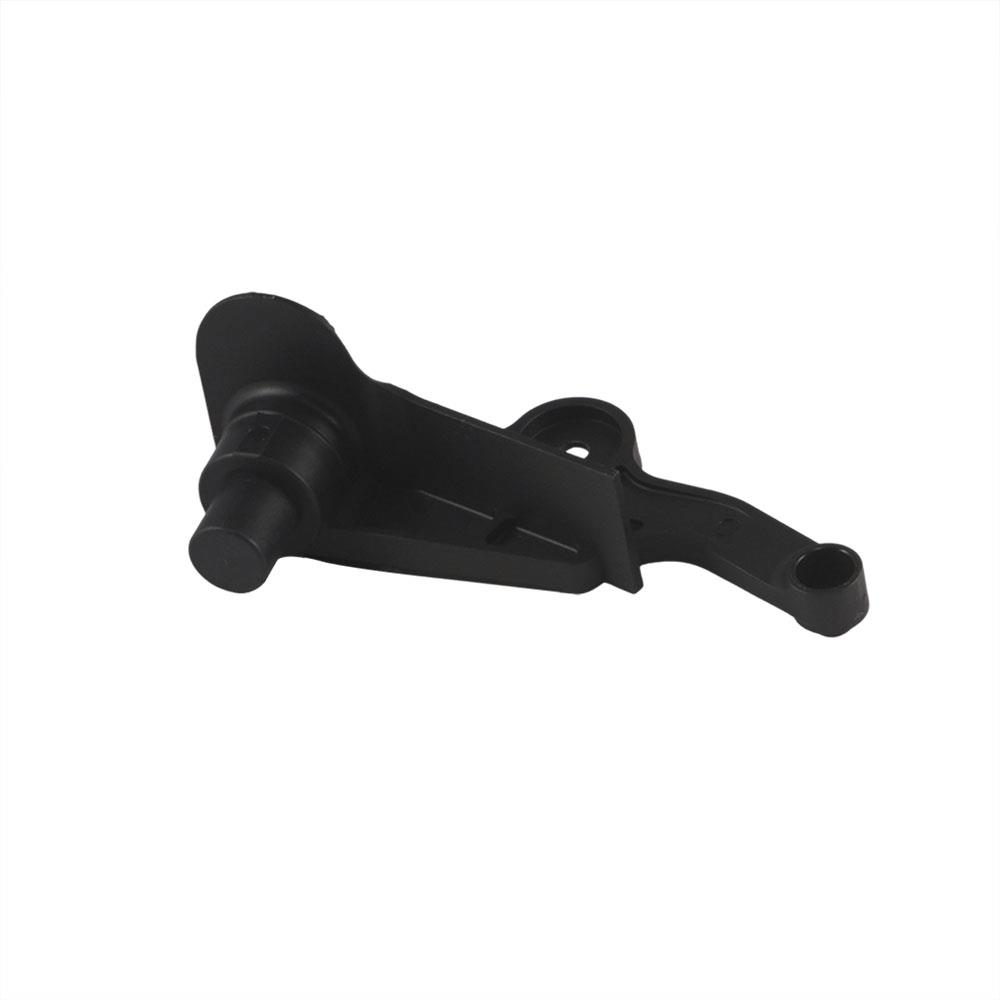
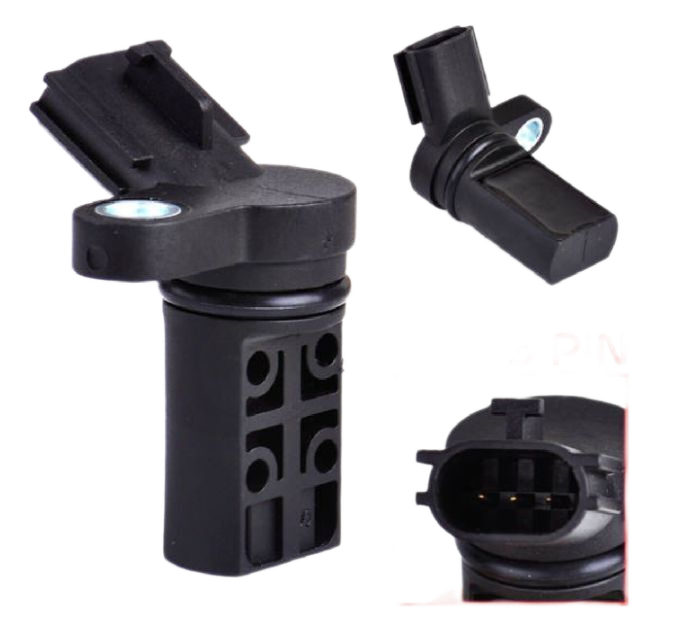
The Crankshaft Position Sensor (CKP) is arguably the most important sensor in a modern engine management system. Located low on the engine block, it is an electronic device that precisely monitors the rotational speed (RPM) and exact position of the crankshaft. It typically works by reading the teeth of a toothed "reluctor" wheel on the crankshaft. This information is the primary data used by the Engine Control Unit (ECU) to control ignition timing (spark) and, in many systems, fuel injector timing. Without an accurate signal from the CKP sensor, most engines will not run at all.
Functions of a Crankshaft Position Sensor
Measure Engine Speed (RPM)
It provides the ECU with the fundamental engine speed data displayed on the vehicle's tachometer.
Determine Crankshaft Position
It reports the exact rotational position of the crankshaft, allowing the ECU to time the firing of the spark plugs with incredible precision.
Detect Engine Misfires
The ECU monitors the minute speed fluctuations of the crankshaft after each firing event to detect which cylinder is misfiring.
Synchronize with Camshaft Sensor
It works in tandem with the camshaft sensor so the ECU knows the exact state of both the pistons and the valves at all times.
Symptoms of a Failing Crankshaft Position Sensor
A failing CKP sensor can leave you stranded without warning. It is one of the few single sensors that can cause a complete no-start condition in a modern vehicle.
Engine Cranks but Will Not Start
This is the most common symptom of a complete failure. If the ECU sees no RPM signal, it will not fire the ignition coils or fuel injectors.
Intermittent Stalling
The sensor may fail when it gets hot, causing the engine to stall. After it cools down, the engine may restart, only to stall again later.
Check Engine Light
Diagnostic trouble codes P0335-P0339 directly indicate a fault in the crankshaft position sensor circuit.
Engine Misfires and Rough Running
An erratic signal can cause the ECU to mistime the spark, leading to misfires, hesitation during acceleration, and poor engine performance.
Crankshaft Sensor (CKP) vs. Camshaft Sensor (CMP)
What is a Camshaft Position Sensor?
The Camshaft Position (CMP) sensor monitors the camshaft's position to identify which cylinder is on its compression stroke. This is the primary input the ECU uses for timing sequential fuel injection and for managing the Variable Valve Timing (VVT) system.
| Attribute | Crankshaft Sensor (CKP) | Camshaft Sensor (CMP) |
|---|---|---|
| Primary Role | Ignition Spark Timing | Fuel Injector Timing |
| Measures | Crankshaft Speed & Position | Camshaft Position |
| Location | Bottom of Engine (Block) | Top of Engine (Head/Timing Cover) |
| Engine Impact | Total failure = No Start | Total failure = Long Crank/No Start |
The Crankshaft Sensor is the drummer setting the beat; the Camshaft Sensor is the vocalist making sure the lyrics come in on the right beat.