


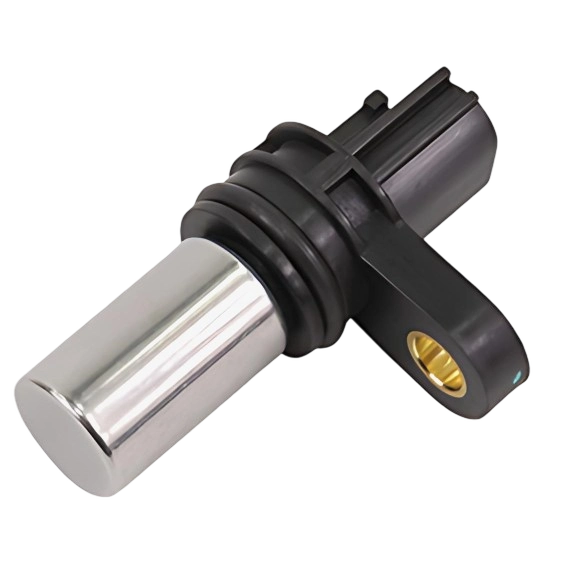
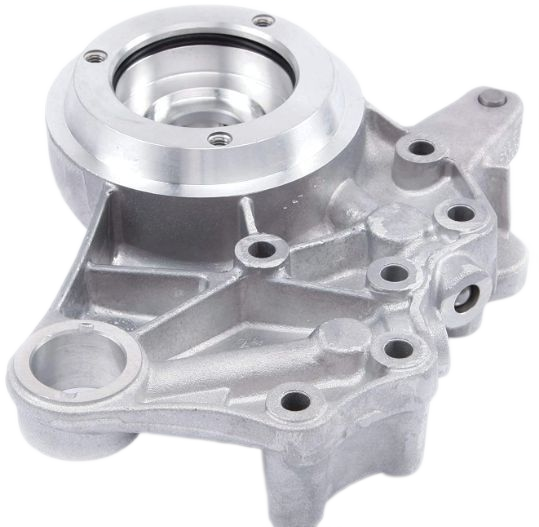
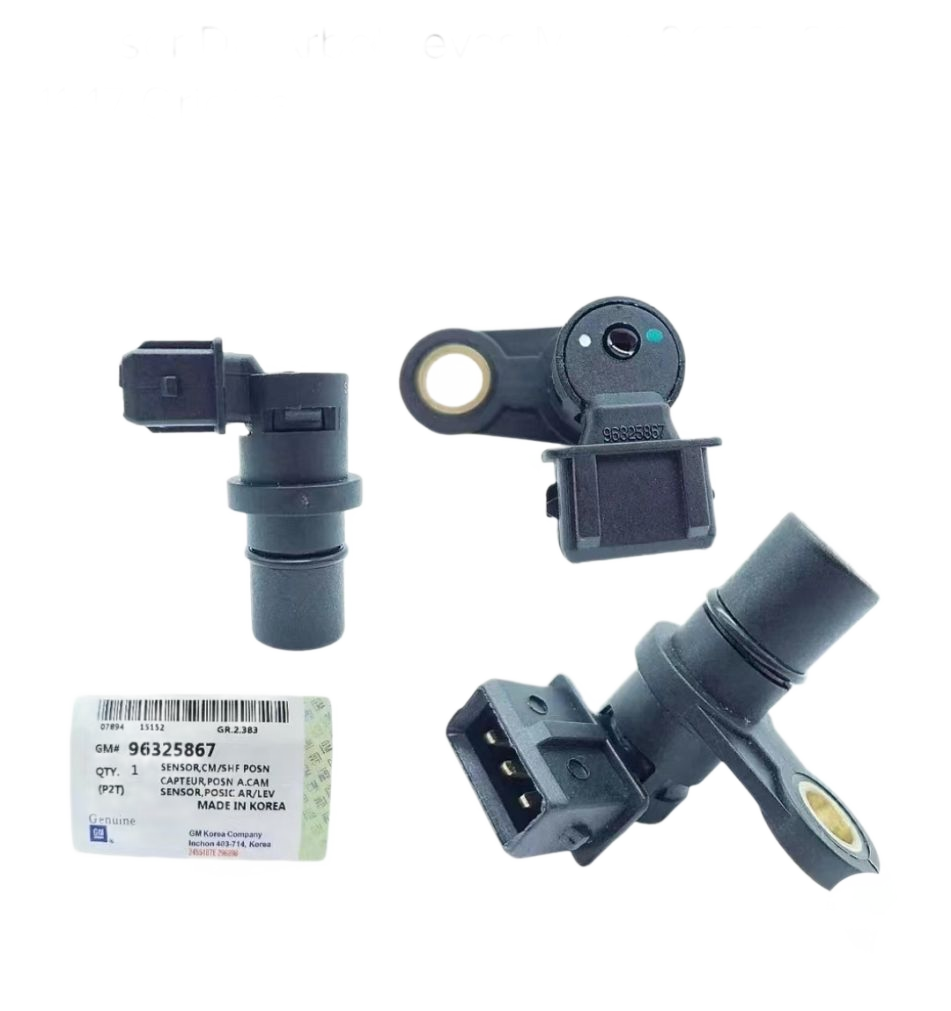
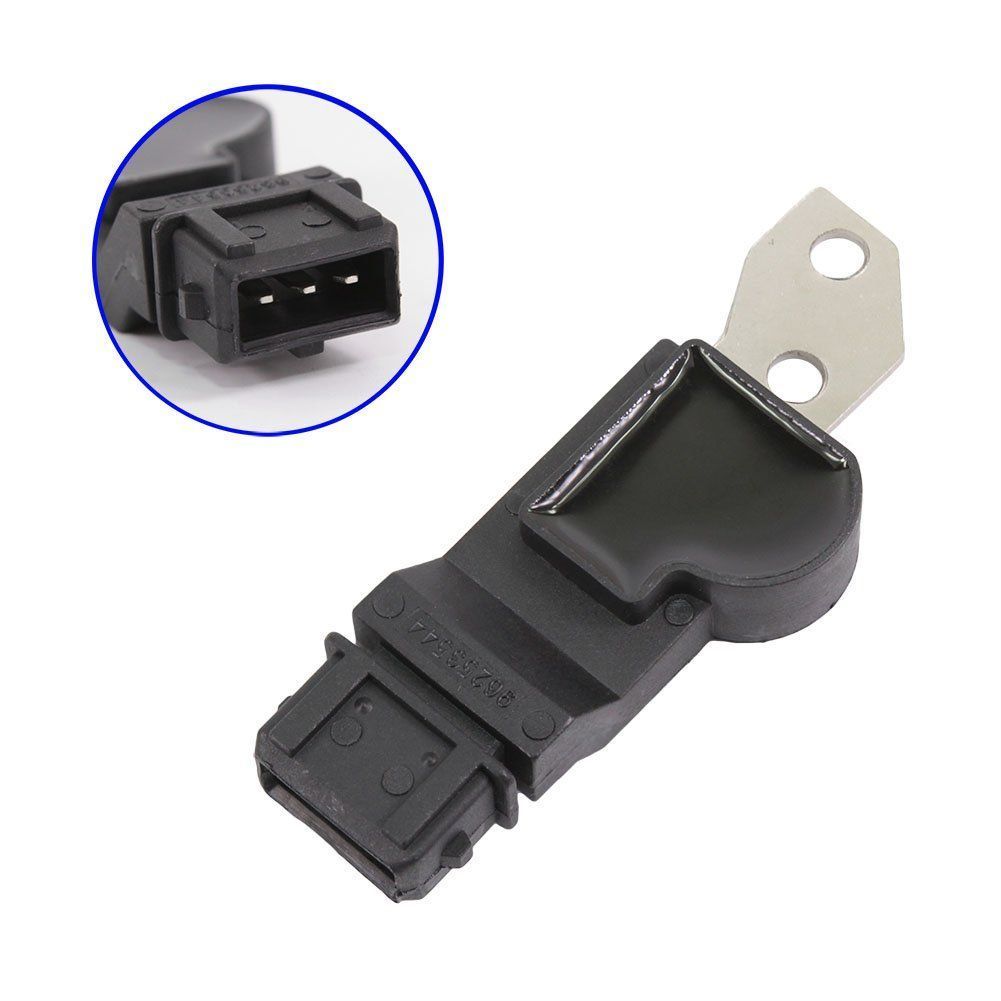
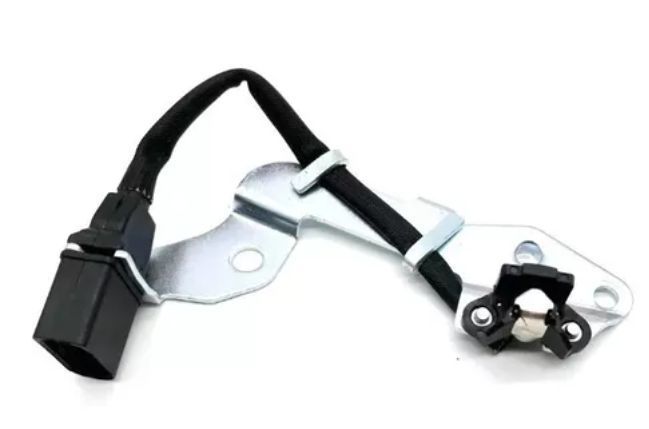
The Camshaft Position Sensor (CMP) is a vital electronic device that monitors the exact rotational position of the engine's camshaft(s). Typically located on the cylinder head or timing cover, it reads notches or teeth on the camshaft or cam sprocket. This precise data is sent to the Engine Control Unit (ECU), which uses it to determine which cylinder is on its compression stroke versus its exhaust stroke. This information is absolutely critical for synchronizing sequential fuel injection, controlling spark timing, and managing the Variable Valve Timing (VVT) system, making it essential for the engine to run smoothly and efficiently.
Functions of a Camshaft Position Sensor
Enable Sequential Fuel Injection
It tells the ECU precisely when each cylinder's intake valve is about to open, allowing for perfectly timed fuel injection pulses.
Control Ignition Timing
Working in conjunction with the crankshaft sensor, it helps the ECU fine-tune spark timing for optimal power and emissions.
Manage Variable Valve Timing (VVT)
It provides the crucial feedback that tells the ECU if the VVT system's camshaft phasers are in their commanded positions.
Identify Engine Cycles
It distinguishes between the compression stroke and the exhaust stroke for each cylinder, which the crankshaft sensor alone cannot do.
Symptoms of a Failing Camshaft Position Sensor
A failing CMP sensor can cause issues ranging from poor performance to a vehicle that will not start at all. Diagnosis is key, as these symptoms can mimic other problems.
Check Engine Light
The most common sign. Codes P0340-P0349 indicate an issue with the CMP sensor circuit for a specific bank.
Engine Cranks but Will Not Start
If the ECU receives no signal from the CMP sensor, it may not know when to fire the fuel injectors, preventing the engine from starting.
Poor Performance and Misfiring
An intermittent or incorrect signal can cause the ECU to mistime fuel and spark, leading to hesitation, a rough idle, and poor fuel economy.
Vehicle Enters "Limp Mode"
On some vehicles, a complete loss of the CMP signal will cause the ECU to enter a reduced power "limp mode" to protect the engine.
Camshaft Sensor (CMP) vs. Crankshaft Sensor (CKP)
What is a Crankshaft Position Sensor?
The Crankshaft Position (CKP) sensor is the engine's primary speed sensor. It monitors the rotation of the crankshaft, telling the ECU how fast the engine is spinning (RPM) and the exact position of the pistons. This is the main input the ECU uses for calculating ignition timing.
| Attribute | Camshaft Sensor (CMP) | Crankshaft Sensor (CKP) |
|---|---|---|
| Measures | Camshaft Position | Crankshaft Position & Speed (RPM) |
| Primary Role | Fuel Injector Timing | Ignition Spark Timing |
| Location | Top of Engine (Head/Timing Cover) | Bottom of Engine (Block) |
| Tells ECU | "Which cylinder is next?" | "How fast are we going?" |
The Crankshaft Sensor is the conductor setting the orchestra's tempo; the Camshaft Sensor is the sheet music telling each instrument when to play.